How Often Should Gippsland Homeowners Hire Termite Specialists? A Practical Inspection Guide
Every year, thousands of Australian homeowners discover serious termite damage that could have been caught far sooner, and Gippsland, VIC, homeowners are not immune. This article explains how often you should hire termite specialists, what drives inspection frequency in the Gippsland region, and what a professional inspection covers, so you can protect your home before the damage becomes costly.
How Often Should Gippsland Homeowners Book a Termite Inspection?
Annual inspections are the minimum recommended standard for most Australian homes. Australian Standard AS 3660.2-2017 recommends termite inspections at intervals of no more than 12 months for residential properties. For properties across Gippsland, VIC, a temperate region with good rainfall and significant bushland near towns like Traralgon, Sale, Bairnsdale, Leongatha, and Korumburra, that annual baseline is a sensible starting point.
Once every 12 months may not be enough for every home. Properties with a history of termite activity, homes near bushland or established gardens, older timber-framed houses, and homes with moisture issues may benefit from inspections every six months. Termites can cause significant structural damage within months, so longer gaps can leave a home exposed.
Most standard home insurance policies do not cover termite damage. Regular, documented inspections by qualified termite specialists are often your most practical financial safeguard. Keeping a paper trail of past inspections can also support any future insurance claim or property sale, since it demonstrates ongoing due diligence. When weighed against the cost of structural repairs, routine inspections are a modest expense that can save homeowners thousands of dollars down the track.
Why Is Gippsland Considered a Higher-Risk Area?
Gippsland's climate and landscape create conditions where termite activity can thrive. Warm summers, seasonal humidity, and reliable rainfall suit subterranean termite colonies well. Properties with poor drainage, leaking pipes, or elevated moisture near foundations are especially vulnerable.
Older homes across the Latrobe Valley and East Gippsland, many built with untreated timber frames, face greater exposure than newer construction. Areas near the Strzelecki Ranges, forested zones around Traralgon, and coastal locations such as Inverloch and Lakes Entrance also carry higher risk. In these locations, termite specialists typically recommend reviewing inspection frequency carefully rather than defaulting to an annual schedule.
High-Risk Triggers That May Require More Frequent Inspections
If your property shows any of the following, discuss a shorter inspection interval with a licenced professional.
- Timber in direct contact with soil, such as old stumps, sleepers, or fence posts near the structure.
- Poor subfloor ventilation, which allows moisture to build up beneath the home.
- Leaking plumbing, downpipes, or gutters introducing ongoing moisture near the foundation.
- Evidence of a previous termite infestation, even where treatment was completed.
- Mature trees, root systems, or heavily mulched garden beds near the home's perimeter.
- A termite barrier already in place, as annual inspections may be required to maintain the manufacturer's warranty.
What Does a Termite Inspection Actually Cover?
A professional termite inspection is far more thorough than a visual scan. Licenced inspectors assess all accessible internal areas including wall linings, skirting boards, door frames, window frames, and built-in cabinetry. External areas, the roof void, and subfloor are examined for live activity, entry points, mud leads, and moisture-affected timber.
Moisture metres and thermal imaging cameras can detect activity behind walls without causing damage. After the inspection, you receive a written report outlining findings, conditions conducive to infestation, and recommended next steps.
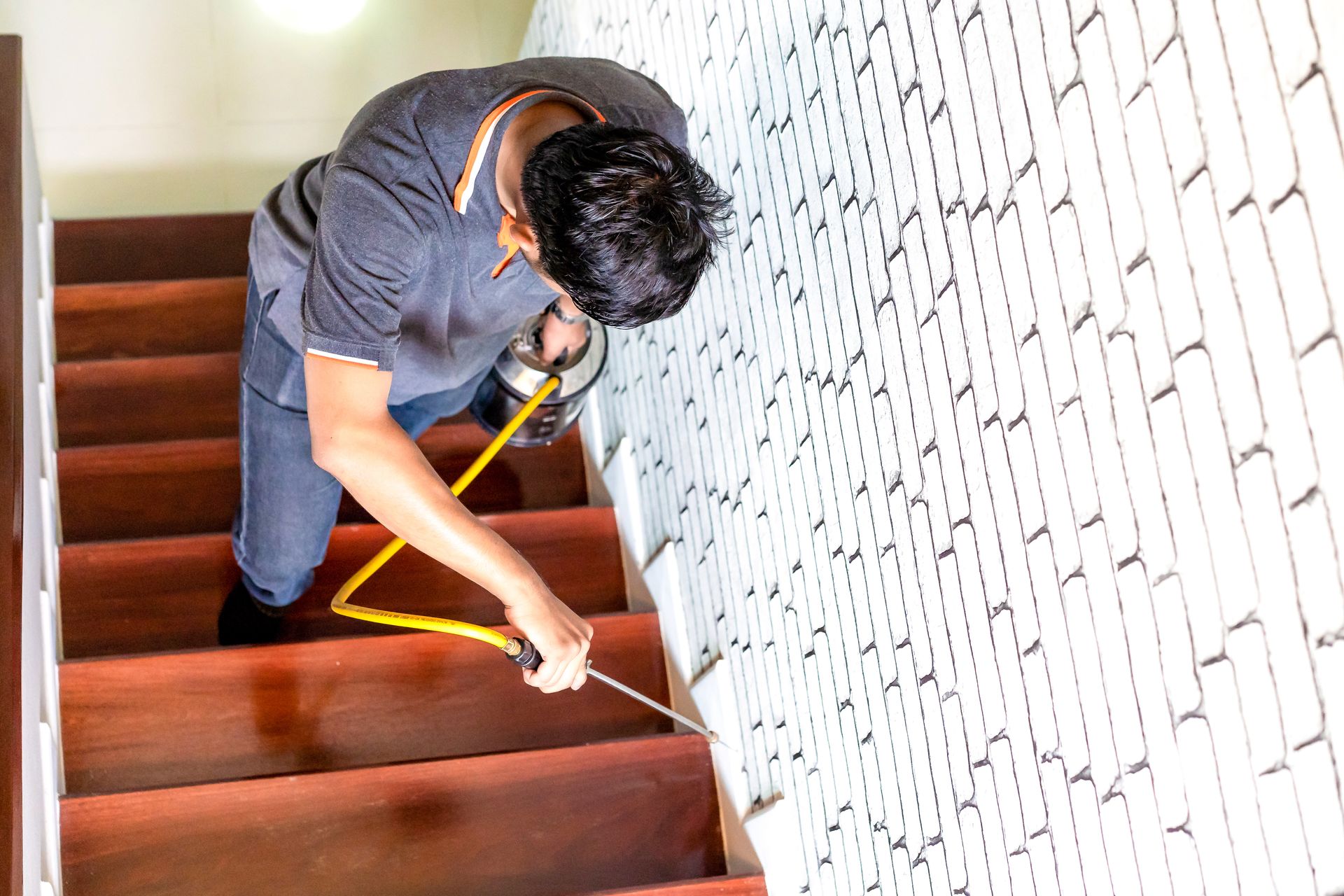
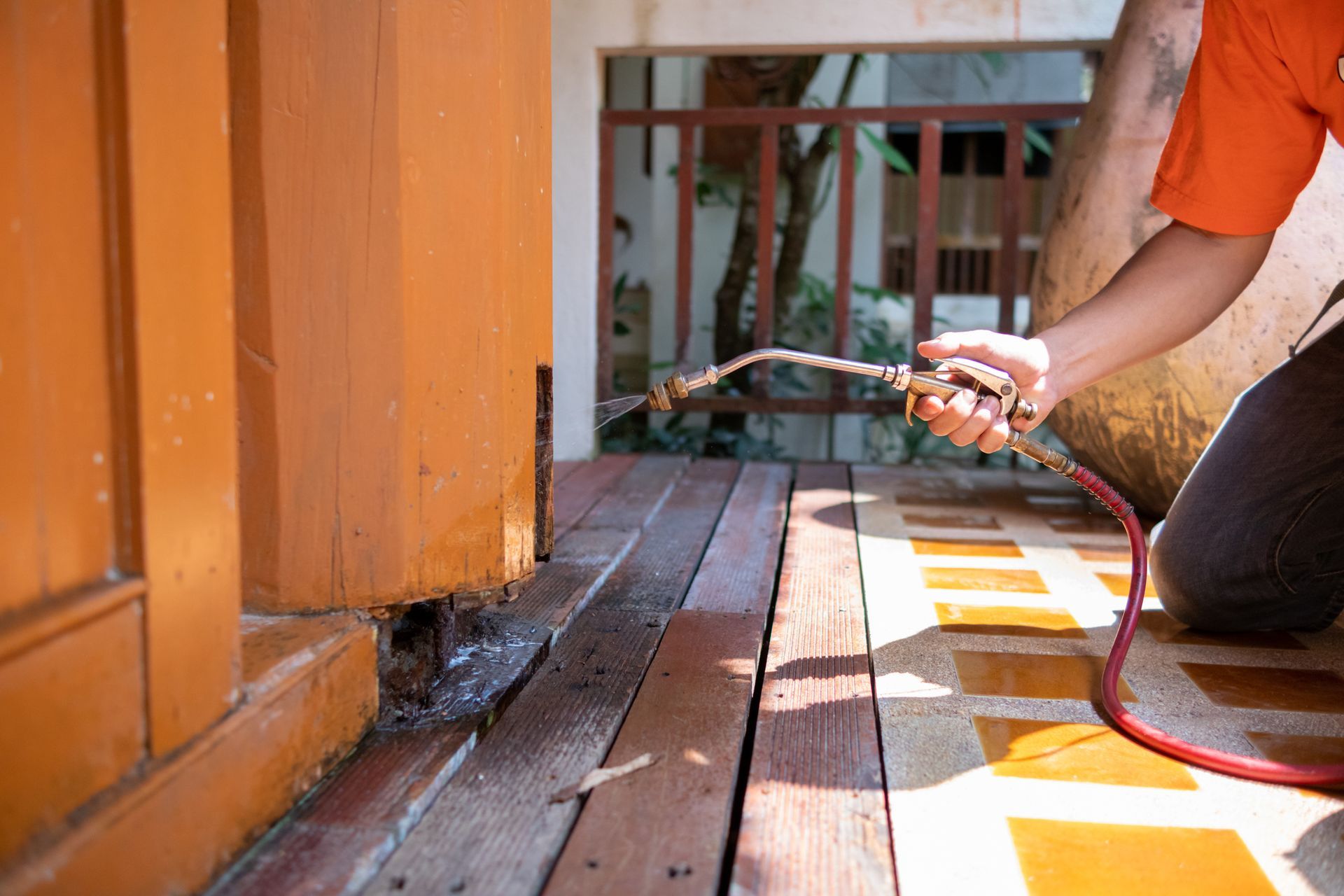
It is important to understand the difference between an inspection and a treatment. An inspection assesses your property for current or likely termite activity. A treatment, such as a chemical barrier using Termidor, a physical barrier like Kordon, or a baiting system, is a separate intervention that follows when activity or high risk is identified. You need both at the right times.
Frequently Asked Questions About Termite Inspection Frequency
Does a New Home Still Need Annual Termite Inspections?
Yes. New homes with termite management systems still require regular inspections by termite specialists to remain effective and compliant.
What Are the Signs I Should Book an Inspection Sooner Than Planned?
Book promptly if you notice hollow timber, mud tubes, blistered paint, discarded wings, or weakened and crumbled timber near your home.
Does a Termite Inspection Differ From a General Pest Inspection?
Yes. Termite inspections focus on timber pests under AS 3660.2 and AS 4349.3, covering structural assessments that general pest inspections exclude.
Book Your Inspection With Expert Termite Specialists Serving Gippsland
The right inspection frequency can make the difference between catching a small problem early and facing significant repair costs. HomeGuard Pest Control has been serving Gippsland homeowners since 1997, offering licenced termite inspections, treatments, and barrier installations across the Latrobe Valley, Sale, Bairnsdale, and surrounds. To learn more about treatment options, visit the termite treatment page. To arrange an inspection or request a free quote, contact the team or call 0487 581 509 today. You can also find and review HomeGuard Pest Control on Google.