
The Autumn Deep Dive: Why Termite Treatment Cannot Wait in Gippsland, VIC
May 11, 2026
As autumn settles, most homeowners assume their pest problems are fading with the warmer weather. Mosquitoes thin out, ants slow down, and flies become less of a nuisance. But one pest is doing the opposite right now, and it could be moving silently beneath your floorboards. This is the exact time of year to think seriously about professional termite treatment in Gippsland, VIC, before the colony makes itself at home inside your walls.
Why Autumn Is Termite Season in Gippsland, VIC
Most people think of termites as a summer problem. It makes sense. They swarm in spring and summer, and warm weather drives activity. But autumn in Gippsland, VIC, brings its own risk that many homeowners overlook entirely.As night temperatures start to drop towards around 4°C, subterranean termites begin to shift their foraging behaviour. Rather than spreading outward through your garden soil, they start moving inward and downward, searching for warmer, more stable environments. Your home sits at a constant internal temperature of around 23°C. To a termite colony, that is not just food. That is shelter.
The Temperature Shift That Drives Them Indoors
Termites are cold-blooded insects. They cannot regulate their own body temperature, so they rely entirely on their environment. When soil temperatures at the surface begin to cool, termite workers do not stop, but they adapt.Research on subterranean termite foraging shows that in cooler months, termites cluster closer to their nest and concentrate their activity in warmer, deeper zones. For Gippsland, VIC, homeowners, that means the warm, enclosed space beneath your slab or within your wall cavities becomes a prime target in need of termite treatment.
The warm internal environment of a home, combined with the timber carpentry inside your walls, offers exactly what a termite colony needs to survive and grow through the cooler months.
Do Termites Die in the Victorian Winter?
No. Termites do not die in winter, and they do not hibernate either.This is one of the most common misconceptions HomeGuard Pest Control hears from Gippsland, VIC, homeowners. Many people assume that once the cold weather arrives, the termite risk passes. Unfortunately, that is not how it works in Victoria.
Subterranean termites in our region practise what pest specialists call "overwintering". Rather than going dormant, they simply relocate their activity to warmer areas. Wall cavities, subfloors, and the space beneath concrete slabs all maintain the warmth that the colony needs to keep functioning. The queen does not stop laying eggs. Workers do not stop eating. The damage continues, just out of sight and out of the cold.
This is exactly why autumn is one of the most important times of year to book an inspection and arrange effective termite treatment in Gippsland, VIC, before colonies establish a foothold inside your home.
The Coptotermes Factor: Gippsland, VIC's Most Dangerous Termite
Not all termites pose the same risk to your home. But one species, Coptotermes, is responsible for an enormous share of serious building damage across Victoria, and it is particularly active in Gippsland, VIC, right now.Coptotermes acinaciformis is the most destructive termite species in Australia, accounting for more than 70% of serious damage to timber buildings. It builds its nest at the base of eucalypt trees or completely underground, and its workers can travel up to 50 metres through hidden soil tunnels to reach a food source, including your home.
In autumn, Coptotermes colonies in Gippsland, VIC, are actively seeking eucalypt stumps in gardens and under-slab moisture beneath residential foundations. Both are extremely common in our region. If you have any old tree stumps in your yard, or if your home has a concrete slab with any moisture beneath it, your property is a high-priority target right now.
These termites can build secondary nests inside wall cavities, particularly wherever there is a moisture source such as a leaking pipe or poor drainage. By the time you notice the damage, the colony may already be well established inside your home's structure.
Why Gippsland, VIC, Properties Are in Most Need of Termite Treatment
Gippsland, VIC's combination of older housing stock, eucalyptus-rich landscapes, and autumn humidity creates ideal conditions for termite activity. Current humidity amounts in the region, sitting around 63%, are perfect for termites. High humidity keeps their underground mud tunnels moist and workable, making it much easier for them to push from garden soil right through to your home's foundation.Subterranean termites are attracted to moist soil and any areas of dampness beneath or around a building. Worker termites are blind, but they follow moisture and the edges of solid objects like a concrete slab. That puts the perimeter of your home directly in their path.
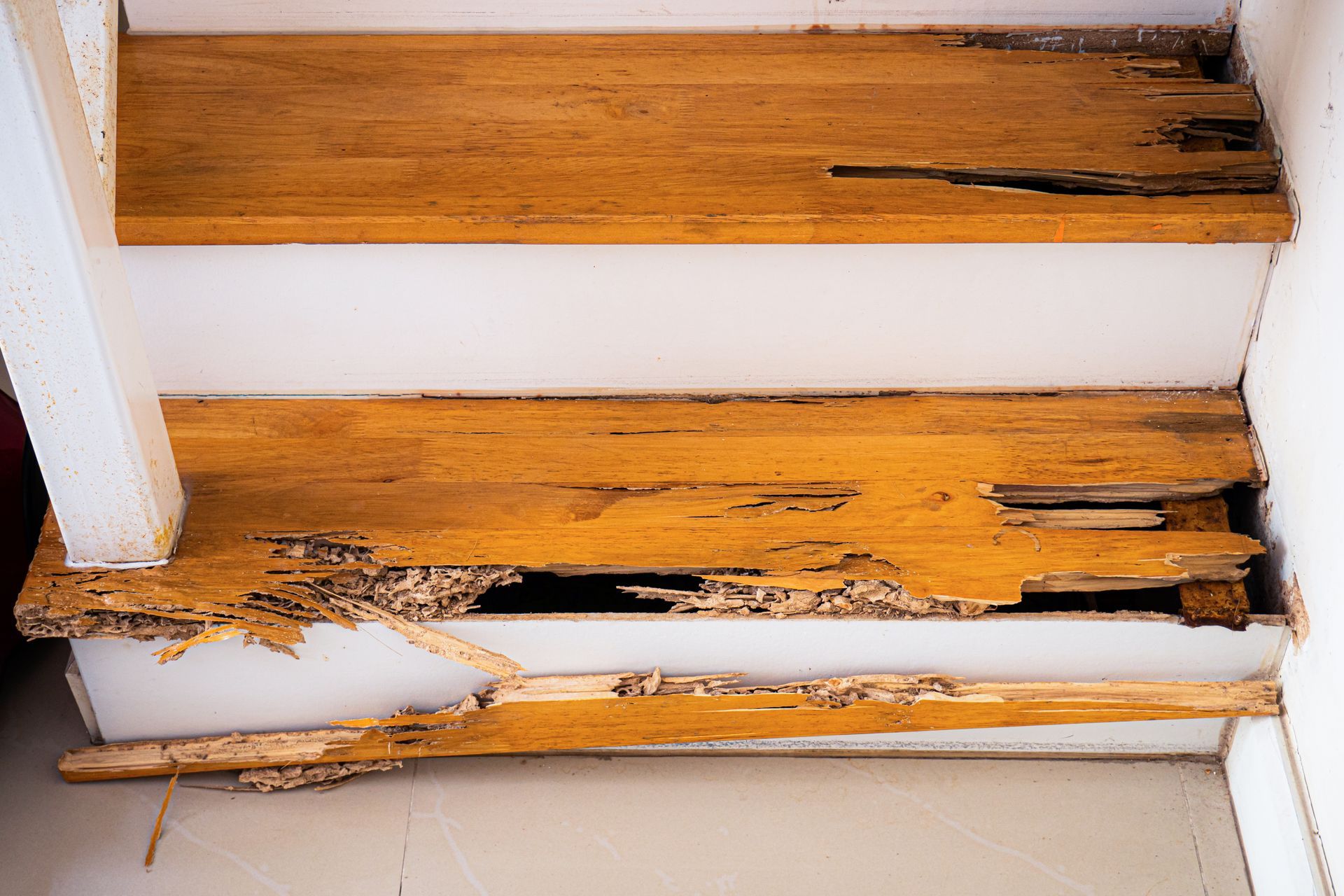
Warning Signs to Watch for This Autumn
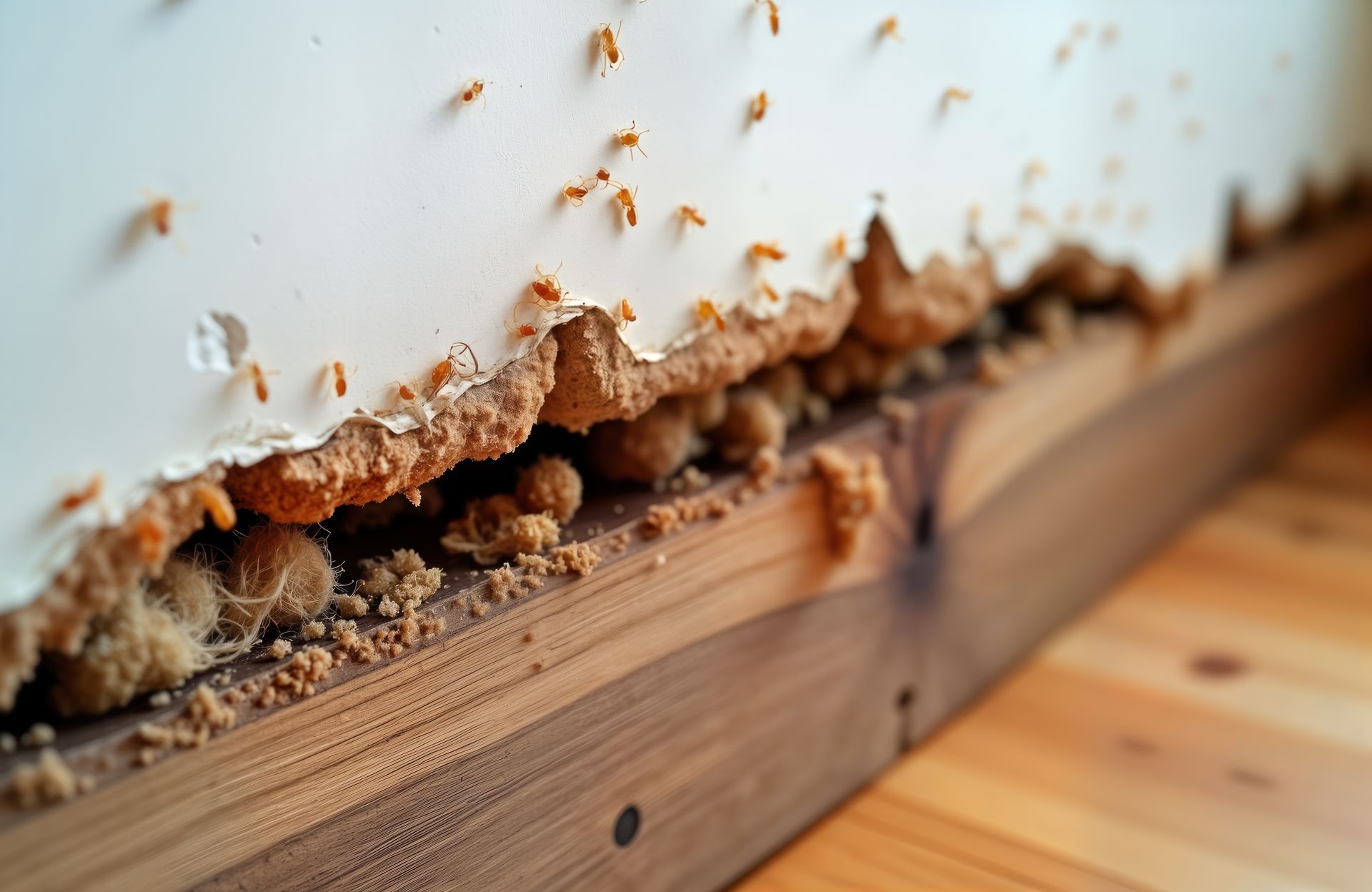
Catching termite activity early makes termite control far more effective and far less expensive. Here are the key signs to look for around your Gippsland, VIC, home this season:- Mud tubes: Pencil-thin tunnels of dried mud running up walls, piers, or along the base of your home. These are termite highways.
- Hollow-sounding timber: Tap your skirting boards, door frames, or flooring. If it sounds hollow or papery, termites may have eaten the timber from the inside.
- Blistered or bubbling paint: This can look like water damage on walls, but termites working beneath the surface cause the same effect.
- Discarded wings: After a swarm, reproductive termites shed their wings. Finding small piles of wings near windows or doors is a red flag for a termite treatment.
- Tight-fitting doors or windows: Termite damage can warp your timber frames, making doors and windows suddenly difficult to open.
If you spot any of these signs, do not wait. Contact HomeGuard Pest Control
as soon as possible for a professional inspection.
What Professional Termite Treatment in Gippsland, VIC, Involves
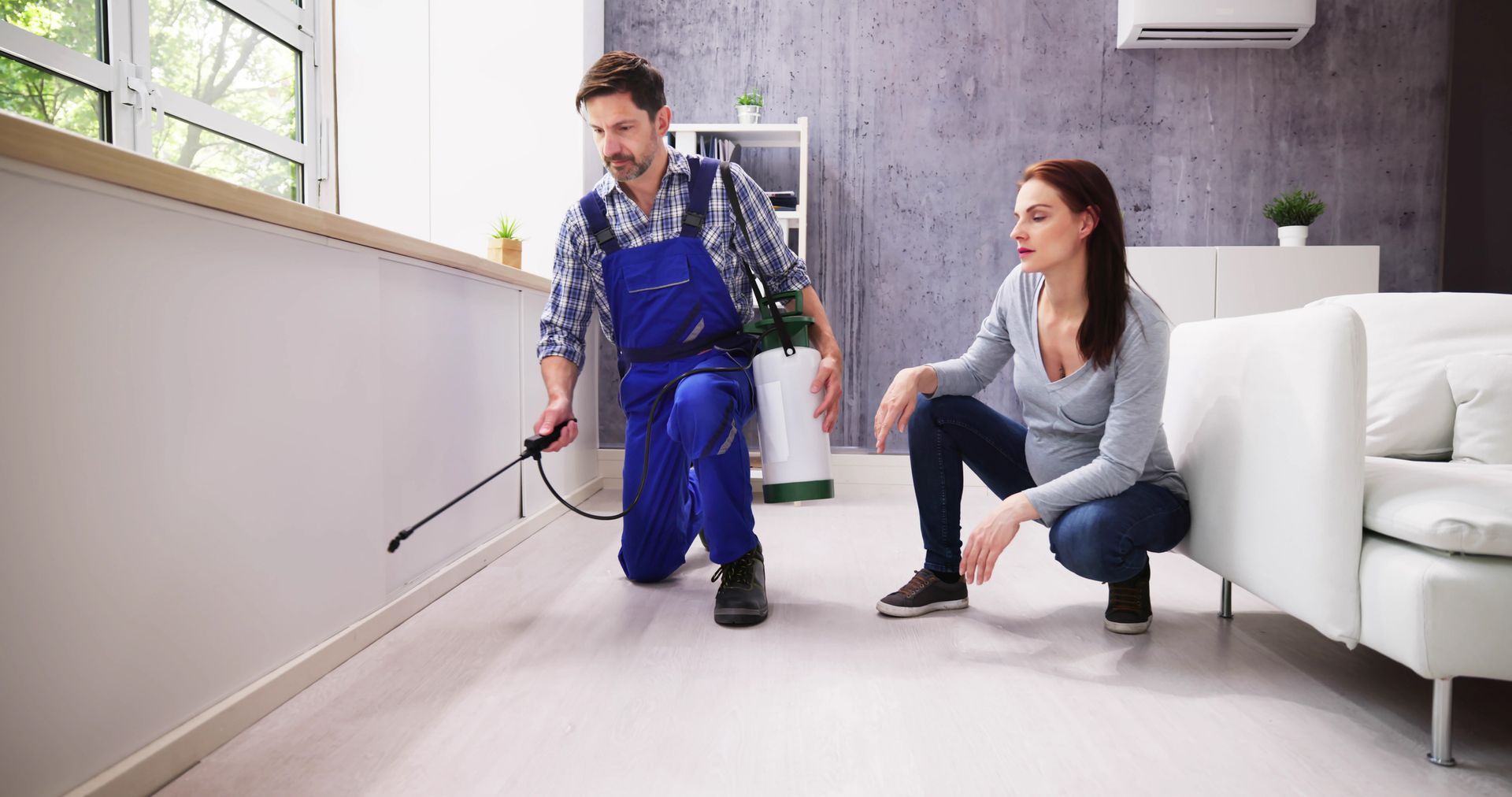
A proper termite treatment goes well beyond a spray around the perimeter. HomeGuard Pest Control uses a range of advanced, proven methods tailored to each Gippsland, VIC, property.Barrier Treatments
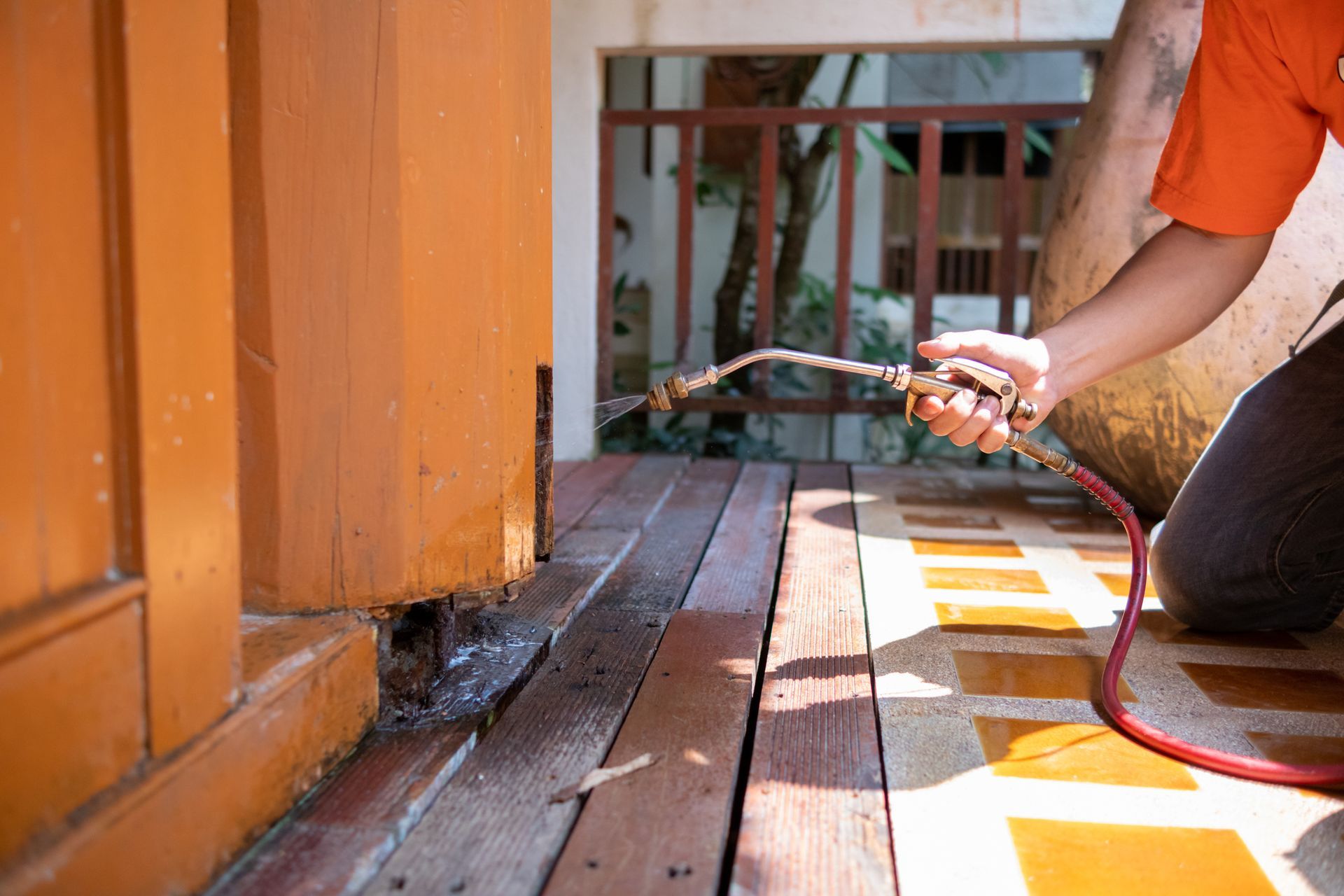
A liquid chemical barrier is applied to the soil around and beneath your home's foundation. This creates a treated zone that termites cannot cross without being affected. HomeGuard Pest Control uses products such as Termidor, one of the most trusted barrier treatments available in Australia, as well as Biflex for long-term protection on new builds.Baiting Systems
Bait stations are placed around the perimeter of your home at regular intervals. Termites find the bait during their foraging runs, consume it, and carry it back to the colony. Over time, the bait works through the entire colony, including the queen, eliminating the threat at its source.Physical Barriers for New Builds
For new constructions, HomeGuard Pest Control is an accredited installer of the HomeGuard Precision Termite Management System. This is a physical and chemical barrier installed during construction that provides long-term protection by blocking concealed termite entry points entirely.Each termite treatment plan is tailored to the specific property, building type, and level of risk. No two homes are the same, and a one-size-fits-all approach simply does not work for Gippsland, VIC's diverse mix of older and newer housing.
What You Can Do Right Now
You do not have to wait for a professional inspection to start reducing your risk. These practical steps can make your property less attractive to termites this autumn:- Fix any leaking taps, pipes, or gutters around your home. Moisture is the number-one thing termites follow.
- Ensure drainage around your home directs water away from the foundation, not towards it.
- Remove or treat any eucalypt stumps in your garden. These are prime nesting sites for Coptotermes colonies.
- Do not store firewood, timber offcuts, or garden sleepers against your external walls.
- Keep subfloor vents clear and unobstructed to reduce humidity beneath your home.
- Book an annual termite inspection, especially if it has been more than 12 months since your last one.
Taking these steps now can reduce the risk, but they are not a substitute for professional protection. The only way to truly know whether termites are active on your property is a thorough inspection by a trained termite treatment specialist.
Book Your Inspection Before Winter Sets In!
Autumn is not the time to put termite protection on the back burner. It is the time to act. With Gippsland, VIC, nights already cooling and termite colonies actively seeking the warmth inside homes, the window for early intervention is open right now.HomeGuard Pest Control has been protecting homes since 1997. Our fully equipped team
uses advanced detection tools, industry-leading products, and deep local knowledge to give your home the best possible protection. Whether you need a routine inspection, a full termite treatment
, or advice on prevention, we are ready to help.
Call us today on 0487 581 509
for a free quote. Do not let termites make your home their winter retreat.
Find out how often Gippsland homeowners should book termite specialists. HomeGuard Pest Control offers licenced inspections. Request a free quote today.
Learn when to schedule termite treatment in Gippsland for home protection. Explore seasonal tips with HomeGuard Pest Control. Act before damage strikes!
Find out the risks of hiring unqualified pest control and why licenced termite specialists in Gippsland are the safer choice. Click here to learn more.